Archives
- 2026-08
- 2026-07
- 2026-06
- 2026-05
- 2026-04
- 2026-03
- 2026-02
- 2026-01
- 2025-12
- 2025-11
- 2025-10
- 2025-09
- 2025-03
- 2025-02
- 2025-01
- 2024-12
- 2024-11
- 2024-10
- 2024-09
- 2024-08
- 2024-07
- 2024-06
- 2024-05
- 2024-04
- 2024-03
- 2024-02
- 2024-01
- 2023-12
- 2023-11
- 2023-10
- 2023-09
- 2023-08
- 2023-07
- 2023-06
- 2023-05
- 2023-04
- 2023-03
- 2023-02
- 2023-01
- 2022-12
- 2022-11
- 2022-10
- 2022-09
- 2022-08
- 2022-07
- 2022-06
- 2022-05
- 2022-04
- 2022-03
- 2022-02
- 2022-01
- 2021-12
- 2021-11
- 2021-10
- 2021-09
- 2021-08
- 2021-07
- 2021-06
- 2021-05
- 2021-04
- 2021-03
- 2021-02
- 2021-01
- 2020-12
- 2020-11
- 2020-10
- 2020-09
- 2020-08
- 2020-07
- 2020-06
- 2020-05
- 2020-04
- 2020-03
- 2020-02
- 2020-01
- 2019-12
- 2019-11
- 2019-10
- 2019-09
- 2019-08
- 2019-07
- 2019-06
- 2018-07
-
Phosphoinositide kinase PI K Akt has been well demonstrated
2023-02-07
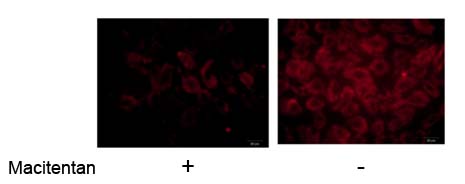
Phosphoinositide 3-kinase (PI3K)/Akt has been well demonstrated in the protection of myocardial cell against IR injury via increasing cardiomyocyte survival, inhibiting excessive autophagy, et al. (Kong et al., 2016). The CP 154526 receptor of ERK1/2 also involves in the regulation of cardiac myocy
-
For the TSH receptor signaling at the Golgi trans Golgi
2023-02-07
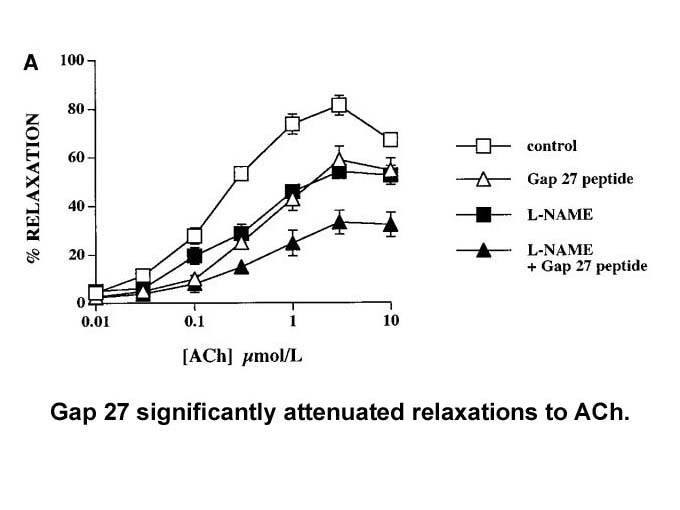
For the TSH receptor, signaling at the Golgi/trans-Golgi network appears required for both rapid effects of TSH − such as ro bio 2 depolymerization, which is implicated in thyroglobulin reuptake and, thus, thyroid hormone release − and late ones, such as those on gene transcription. Continued signa
-
br Materials and methods br Results br Discussion
2023-02-07
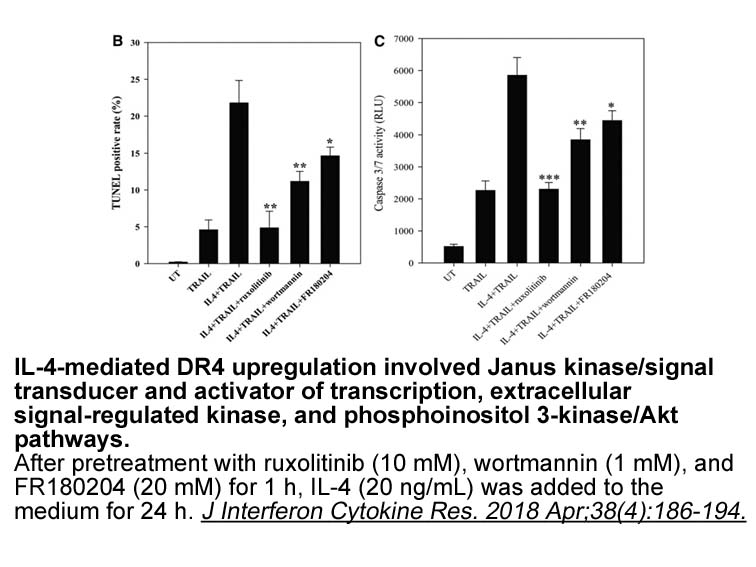
Materials and methods Results Discussion Fluoride can readily penetrate cellular membranes and seriously damage the structure and physiological function of cells (Zhou et al., 2015). Several studies have shown that excessive fluoride can decrease the viability of cells and that the growth o
-
TUNEL assay Apoptotic DNA fragmentation
2023-02-07
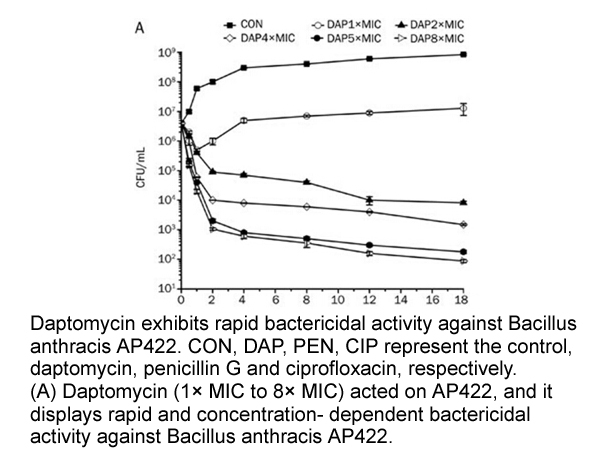
TUNEL assay. Apoptotic DNA fragmentation in Eeyarestatin I was measured using a commercially available TUNEL assay kit (Thermo Fisher). Frozen cells were fixed with 10% paraformaldehyde/PBS. Apoptosis was determined by staining the 3′-OH ends of fragmented DNA with biotin-dNTP using DNA I klenow fra
-
Introduction Heterotrimeric G proteins mediate
2023-02-07
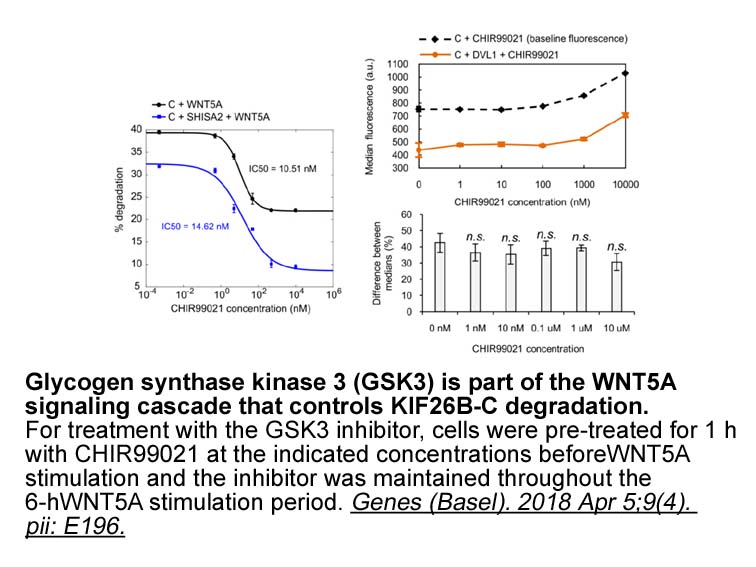
Introduction Heterotrimeric Gαβγ proteins mediate signal transduction through seven-transmembrane domain receptors. In response to neurotransmitters or hormones, activated receptors bind GTP via the Gα subunit leading to the dissociation of Gα from the Gβγ dimer. G proteins regulate the levels of s
-
Therefore VEGF and its receptors are expressed in different
2023-02-07
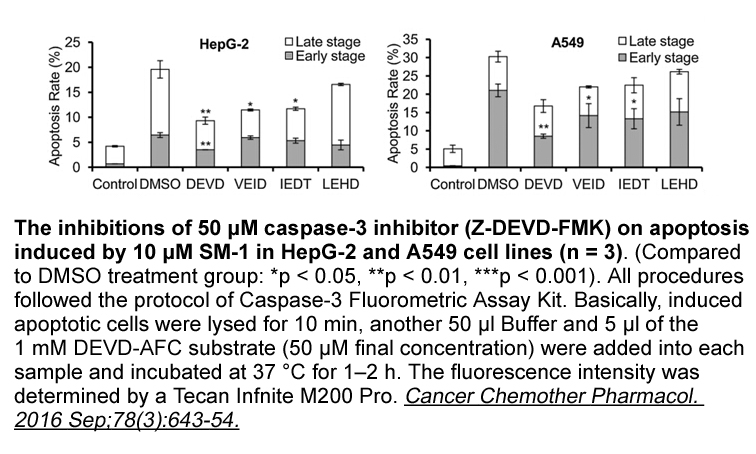
Therefore, VEGF and its receptors are expressed in different organs, including the kidneys, the liver and the G-15 [55]. In the human placenta, VEGF is mainly synthesized by cytotrophoblast and Hofbauer cells early in the first trimester, whereas Flk-1 and Flt-1 receptors are expressed throughout t
-
br Identification of the croaker mAR cDNA Testosterone T was
2023-02-07

Identification of the croaker mAR cDNA Testosterone (T) was observed to alter steroidogenesis through a nongenomic mechanism (not blocked by the transcription inhibitor, actinomycin D) in Atlantic croaker ovarian tissues (Braun and Thomas, 2003). This action of T was mimicked by T conjugated to B
-
In another study Yerra and Kumar used streptozotocin to indu
2023-02-07
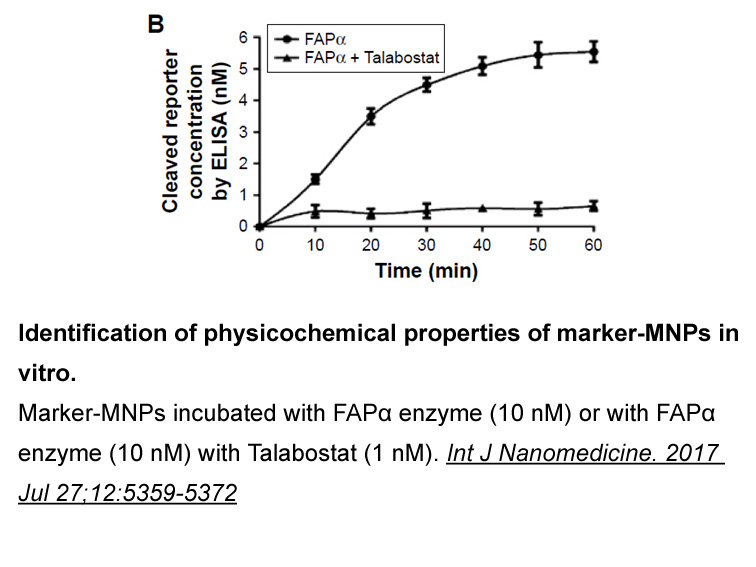
In another study, Yerra and Kumar (2016) used streptozotocin to induce diabetic neuropathy in rats. Mechanical/thermal hyperalgesia, motor/sensory nerve conduction velocities (MNCV and SNCV) and sciatic nerve blood flow (NBF) were evaluated. In vitro studies of Neuro2a (N2A) cell culture were perfor
-
br Possible complementarity of trimming
2023-02-07
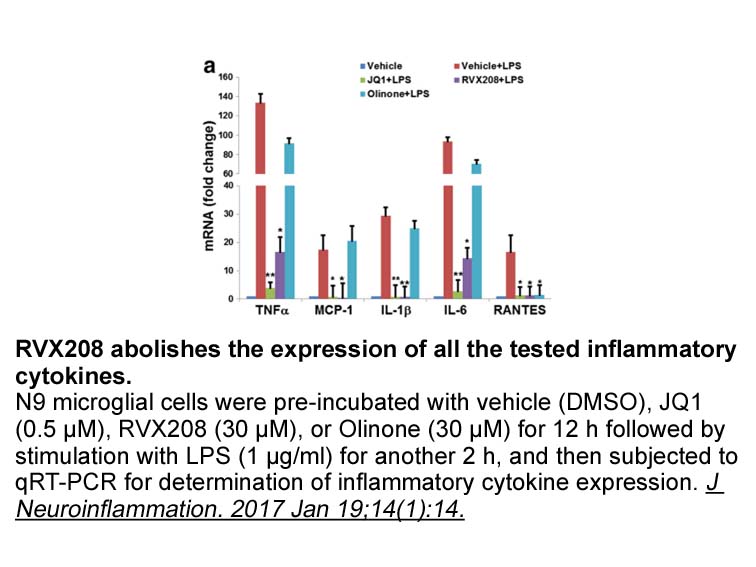
Possible complementarity of trimming pathways Determining the exact pathway for the generation or destruction of MHCI peptide ligands by ERAP1 is important for our understanding of the shaping of the immunopeptidome and for designing inhibitors that can manipulate it. It is also possible however
-
Rimonabant br Occurrence of Inosine in RNA Inosine
2023-02-06
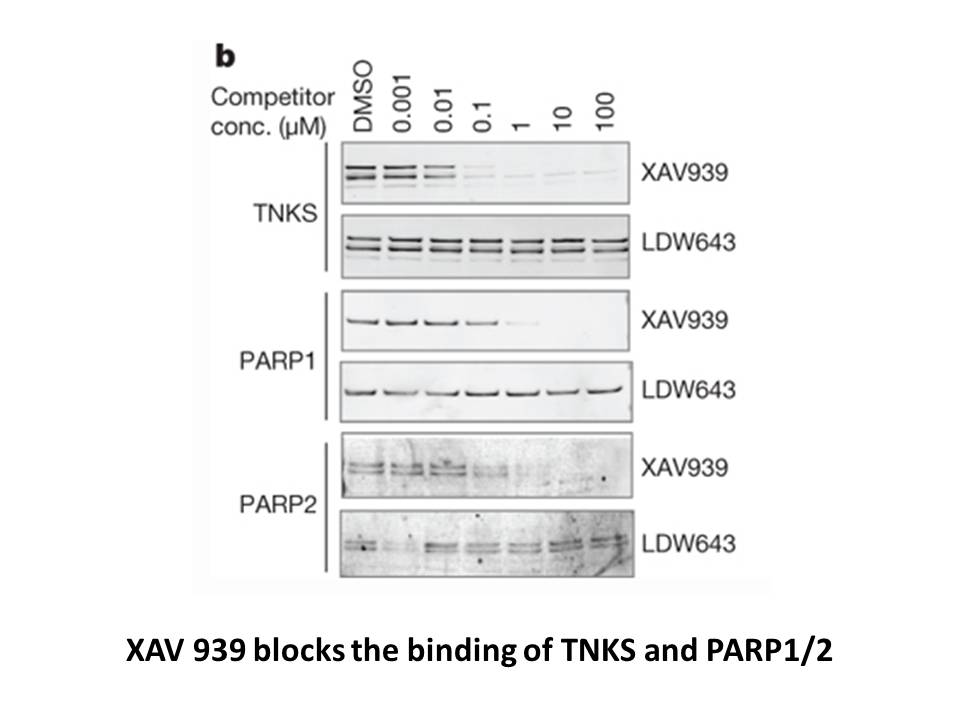
Occurrence of Inosine in RNA Inosine is widespread among various types of RNAs including transfer RNA (tRNA), ribosomal RNA (rRNA), messenger RNA (mRNA), long noncoding RNA (lncRNA), and microRNA (miRNA). Within these RNAs, inosine can appear in different locations as well. Table 1 lists examples
-
As described in the introductory
2023-02-06

As described in the introductory section, the rotifer nervous system would be capable to transmit 5-Formyl-CTP in throughout its neural pathways. In addition, Clément and Amsellem (1989) and Kotikova et al. (2001) suggested acetylcholine to be important for the functioning of rotifer muscles and th
-
5'-Iodoresiniferatoxin The present study showed for the
2023-02-06
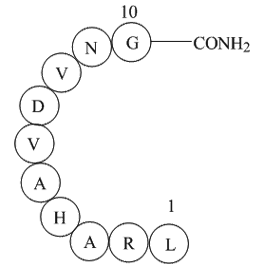
The present study showed, for the first time, that hirsutine, hirsuteine, rhynchophylline, isorhynchophylline, corynoxeine, and isocorynoxeine in yokukansan can inhibit the 5-HT3 receptor current. These data indicate that part of the effect of yokukansan against the behavioral and psychological symp
-
Renal Cell Carcinoma RCC is a lethal cancer with
2023-02-06
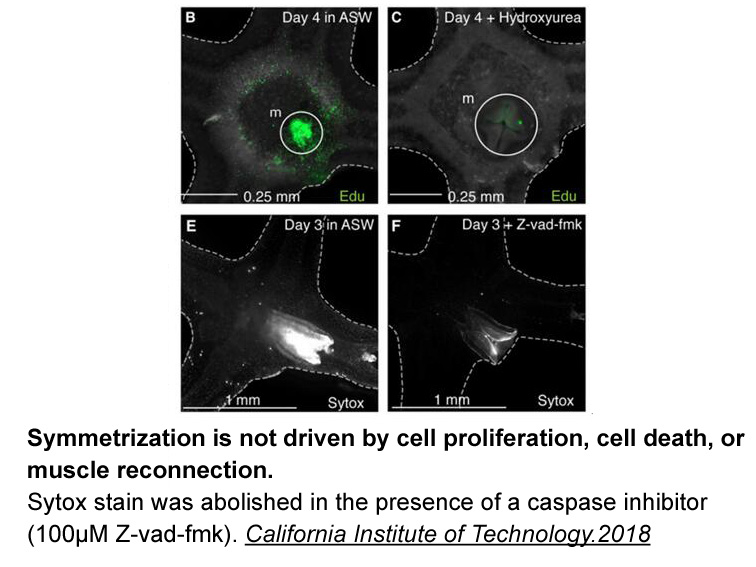
Renal Cell Carcinoma (RCC) is a lethal cancer with bad prognosis due to development of chemoresistance and recurrence of an aggressive tumor with increased tumor-angiogenesis and metastasis [7]. We have found Axl and Gas6 to be differentially presented in RCC subtypes, and Axl to correlate to tumor
-
br Viral manipulation of host factors to oppose
2023-02-06
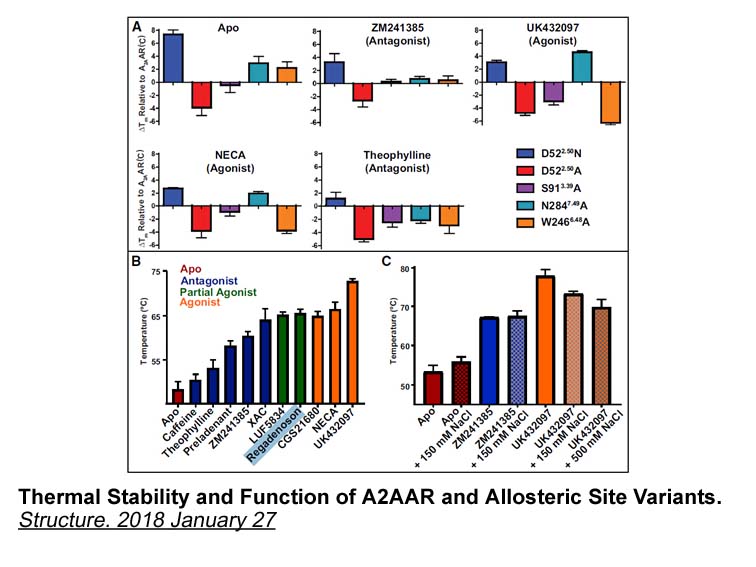
Viral manipulation of host factors to oppose anti-viral autophagy To escape or manipulate autophagy, some viruses developed strategies that are based on the recruitment of host-cell endogenous factors. The non-enveloped double-stranded DNA virus adenovirus is rapidly endocytosed after attachment.
-
br Conflict of interest br Acknowledgments This
2023-02-06
Conflict of interest Acknowledgments This work was been partially supported by the following grants: C.I.S.I.A. project (Innovazione e Sviluppo del Mezzogiorno—Conoscenze Integrate per Sostenibilità ed Innovazione del Made in Italy Agroalimentare—Legge 191/2009) from the Italian Ministry of Ec
15859 records 388/1058 page Previous Next First page 上5页 386387388389390 下5页 Last page